

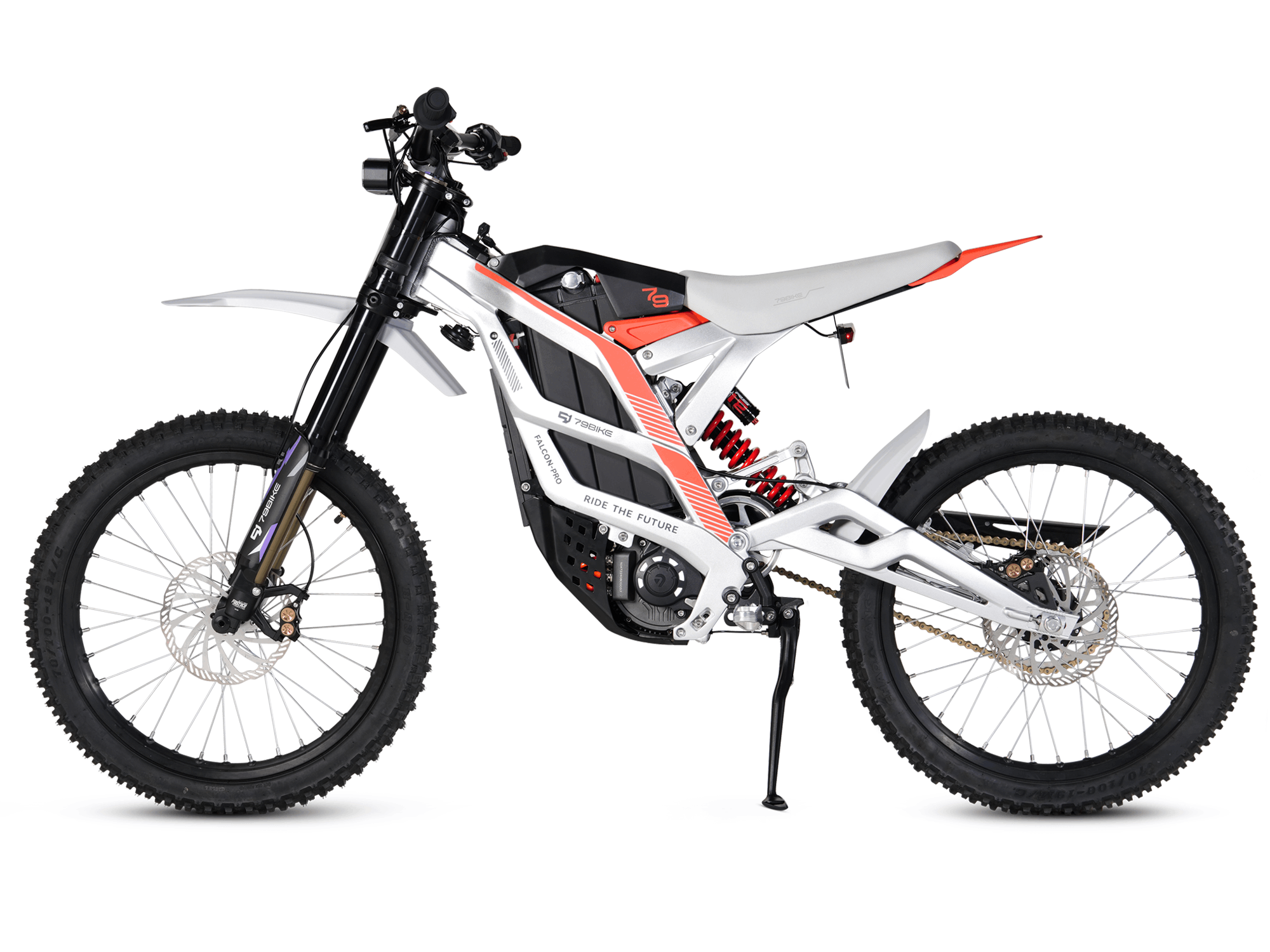
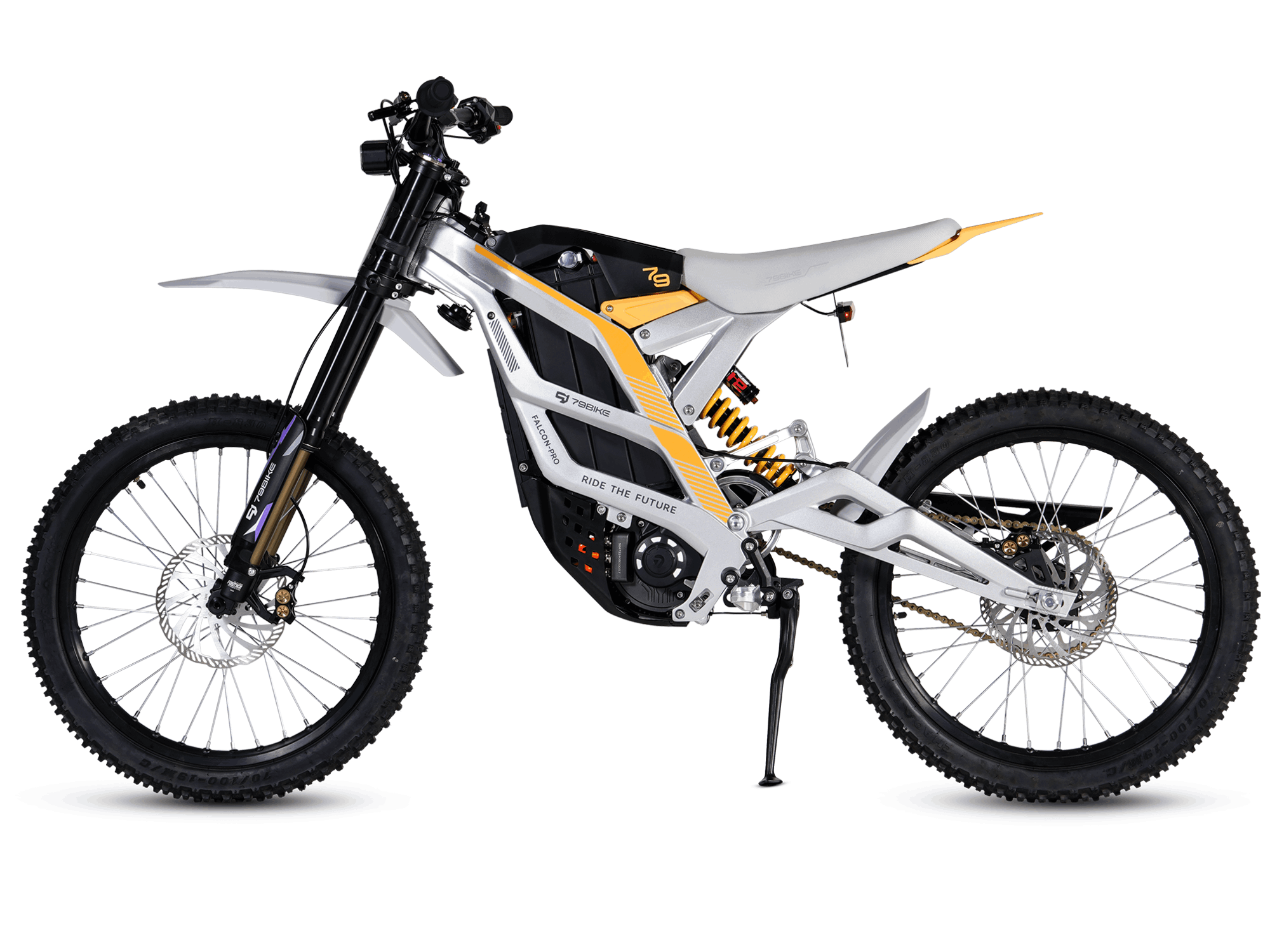




Safety Precautions for Riding Off-Road Electric Motorcycles
When riding off-road electric motorcycles, safety is undoubtedly the most important consideration. Here are some key safety precautions to help every rider ensure their own and others' safety while enjoying the thrill of riding.
1. Fully Equipped and Well-Protected
1. Wear a Helmet: Whether driving or riding as a passenger on an electric off-road motorcycle, it is mandatory to wear a helmet that meets safety standards. A helmet is the first line of defense against accidental impacts.
2. Wear Protective Gear: Wear professional riding gear, including shoulder, knee, elbow guards, and gloves. These can effectively reduce injuries from falls or collisions.
3. Choose Appropriate Footwear: When off-road riding, it is recommended to wear sturdy hiking boots to increase foot stability and protection.
2. Vehicle Inspection and Maintenance
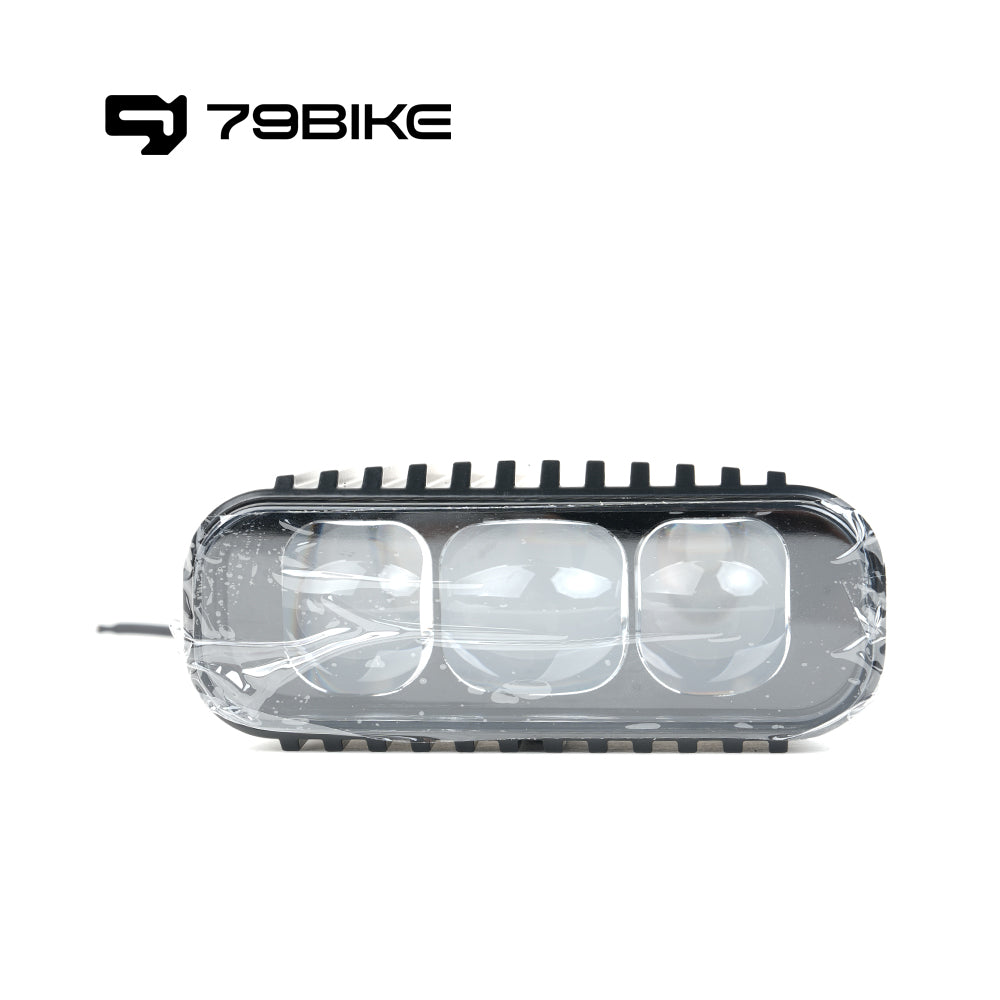
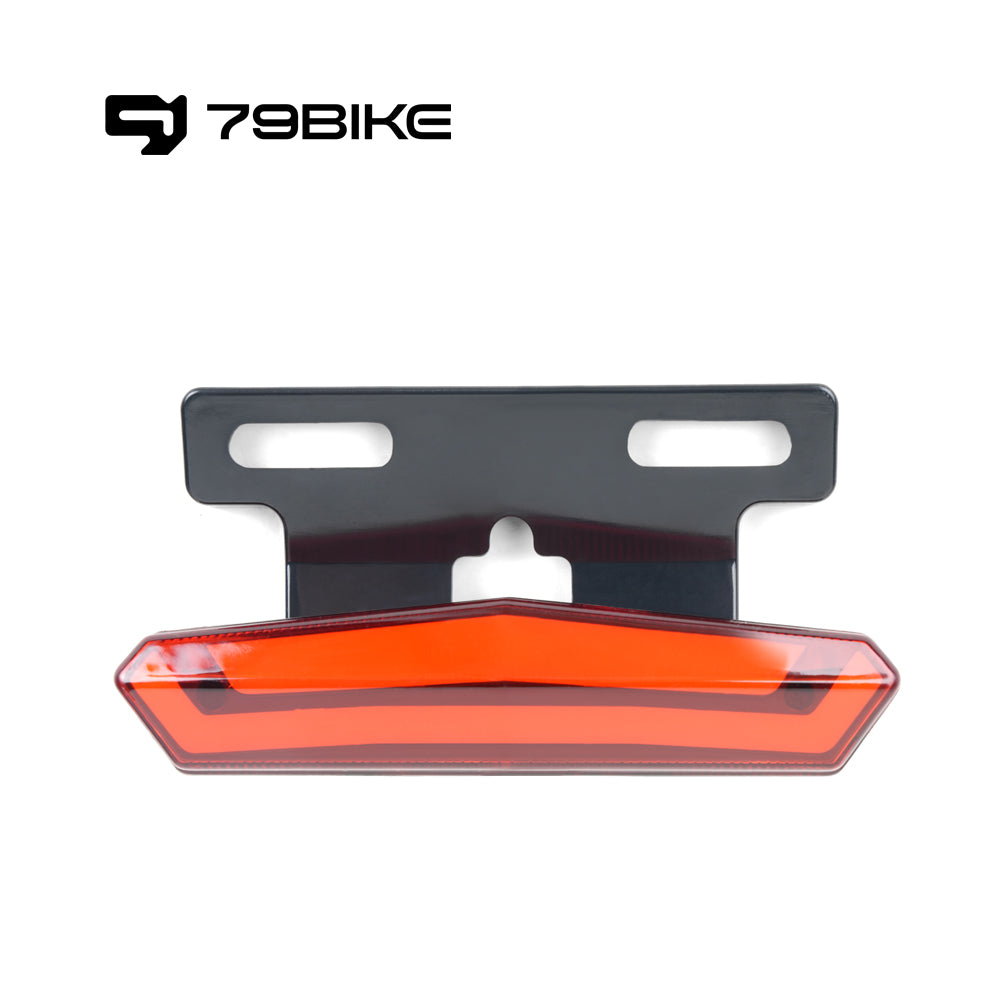
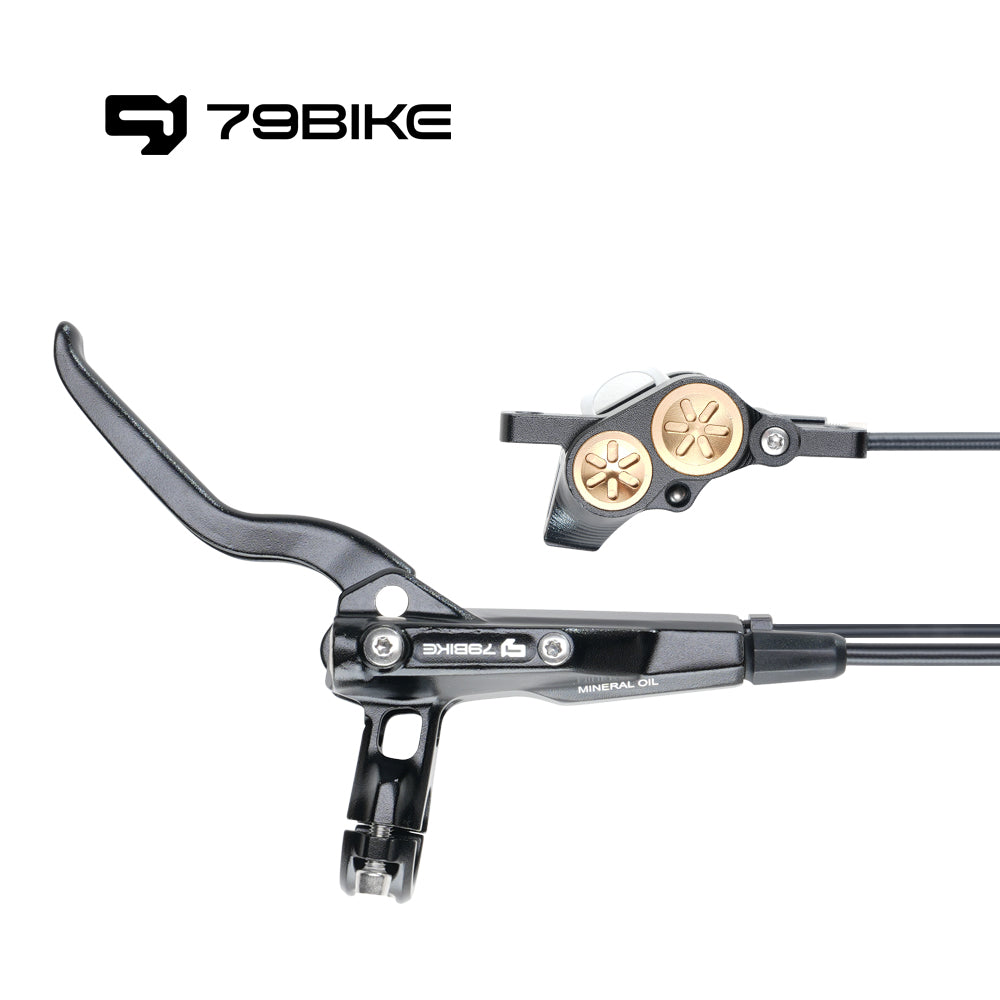
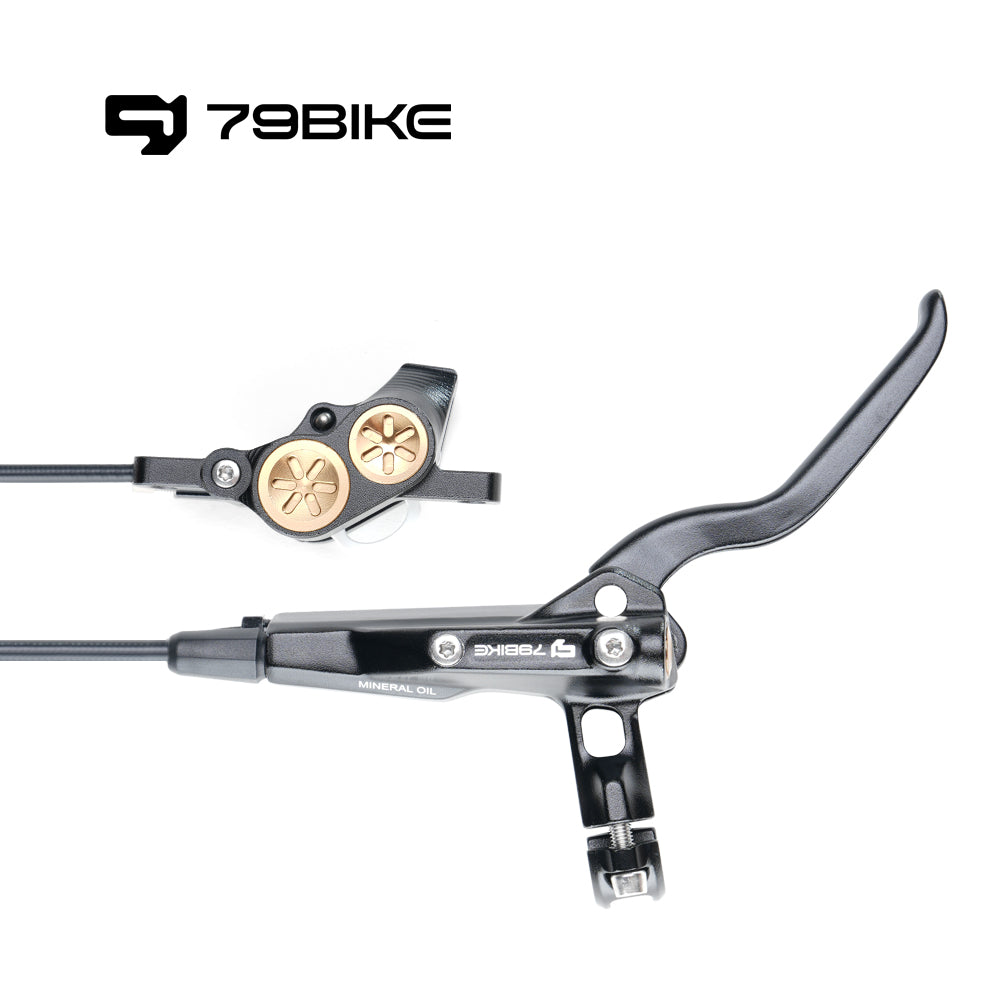
1. Comprehensive Check Before Departure: Carefully inspect all parts of the vehicle before each ride, including tire pressure, brake system, chain tension, and whether the lighting signal device works properly.
2. Regular Maintenance: Perform regular maintenance to ensure good performance and prevent accidents caused by mechanical failures.
3. Adhere to Traffic Rules
1. Obey Speed Limits: Do not exceed the speed limit, especially in complex road conditions where excessive speed increases the risk of accidents.
2. Pay Attention to Road Signs: Obey local traffic rules and road signs, including traffic lights, speed limits, and lane indicators.
3. Avoid Distracted Driving: Always stay focused during driving; do not operate mobile phones or other electronic devices to avoid distracted driving.
4. Drive Cautiously on Special Road Sections
1. Steep Slopes and Muddy Roads: Choose the appropriate gear in advance, maintain a stable speed, shift your body weight backward, and use engine braking and brakes to control speed.
2. Sand and Wet Surfaces: When driving on sandy surfaces, shift your weight slightly forward to increase front wheel traction and control the throttle slowly and steadily; on wet or soft surfaces, apply the brakes more gently to avoid wheel lock-up and loss of control.
3. Curves and Mountain Roads: Reduce speed, turn slowly, avoid occupying the opposite lane, and sound the horn in advance to alert other vehicles.

5. Consider Weather and Environmental Factors
1. Adverse Weather Conditions: Avoid driving electric off-road motorcycles in heavy rain, snow, or fog when visibility is low. If you must travel, slow down and maintain sufficient longitudinal and transverse distance.
2. Keep Away from Large Vehicles: Pay special attention to keep away from large vehicles turning, to avoid entering the inner wheel difference visual blind spot and encountering danger.
6. Plan Physical Exertion and Rest Reasonably
1. Arrange Rest Time Rationally: Long periods of driving can cause fatigue, affecting reaction speed and judgment. Therefore, arrange rest time reasonably to maintain good physical and mental state.
2. Avoid Fatigue Driving: Do not force yourself to drive an electric off-road motorcycle in a fatigued state; take a break before continuing.
7. Carry Emergency Rescue Tools
1. Prepare Emergency Rescue Tools: Carry necessary emergency rescue tools such as spare tires, simple repair tools, and first aid kits to handle emergencies.
2. Learn Basic Repair Skills: Master some basic repair skills, such as changing tires and simple troubleshooting, to self-rescue in case of emergencies.
In summary, correct driving of electric off-road motorcycles requires continuous practice and accumulated experience, while strictly adhering to traffic rules and safety regulations. Only by doing so can we fully enjoy the fun of off-roading while ensuring our own and others' safety. Hopefully, every rider will remember these safety precautions and have a pleasant and safe riding journey.
1. Fully Equipped and Well-Protected
1. Wear a Helmet: Whether driving or riding as a passenger on an electric off-road motorcycle, it is mandatory to wear a helmet that meets safety standards. A helmet is the first line of defense against accidental impacts.
2. Wear Protective Gear: Wear professional riding gear, including shoulder, knee, elbow guards, and gloves. These can effectively reduce injuries from falls or collisions.
3. Choose Appropriate Footwear: When off-road riding, it is recommended to wear sturdy hiking boots to increase foot stability and protection.
2. Vehicle Inspection and Maintenance
1. Comprehensive Check Before Departure: Carefully inspect all parts of the vehicle before each ride, including tire pressure, brake system, chain tension, and whether the lighting signal device works properly.
2. Regular Maintenance: Perform regular maintenance to ensure good performance and prevent accidents caused by mechanical failures.
3. Adhere to Traffic Rules
1. Obey Speed Limits: Do not exceed the speed limit, especially in complex road conditions where excessive speed increases the risk of accidents.
2. Pay Attention to Road Signs: Obey local traffic rules and road signs, including traffic lights, speed limits, and lane indicators.
3. Avoid Distracted Driving: Always stay focused during driving; do not operate mobile phones or other electronic devices to avoid distracted driving.
4. Drive Cautiously on Special Road Sections
1. Steep Slopes and Muddy Roads: Choose the appropriate gear in advance, maintain a stable speed, shift your body weight backward, and use engine braking and brakes to control speed.
2. Sand and Wet Surfaces: When driving on sandy surfaces, shift your weight slightly forward to increase front wheel traction and control the throttle slowly and steadily; on wet or soft surfaces, apply the brakes more gently to avoid wheel lock-up and loss of control.
3. Curves and Mountain Roads: Reduce speed, turn slowly, avoid occupying the opposite lane, and sound the horn in advance to alert other vehicles.
5. Consider Weather and Environmental Factors
1. Adverse Weather Conditions: Avoid driving electric off-road motorcycles in heavy rain, snow, or fog when visibility is low. If you must travel, slow down and maintain sufficient longitudinal and transverse distance.
2. Keep Away from Large Vehicles: Pay special attention to keep away from large vehicles turning, to avoid entering the inner wheel difference visual blind spot and encountering danger.
6. Plan Physical Exertion and Rest Reasonably
1. Arrange Rest Time Rationally: Long periods of driving can cause fatigue, affecting reaction speed and judgment. Therefore, arrange rest time reasonably to maintain good physical and mental state.
2. Avoid Fatigue Driving: Do not force yourself to drive an electric off-road motorcycle in a fatigued state; take a break before continuing.
7. Carry Emergency Rescue Tools
1. Prepare Emergency Rescue Tools: Carry necessary emergency rescue tools such as spare tires, simple repair tools, and first aid kits to handle emergencies.
2. Learn Basic Repair Skills: Master some basic repair skills, such as changing tires and simple troubleshooting, to self-rescue in case of emergencies.
In summary, correct driving of electric off-road motorcycles requires continuous practice and accumulated experience, while strictly adhering to traffic rules and safety regulations. Only by doing so can we fully enjoy the fun of off-roading while ensuring our own and others' safety. Hopefully, every rider will remember these safety precautions and have a pleasant and safe riding journey.
Leave a comment